

Sustainability and Green Event Practices
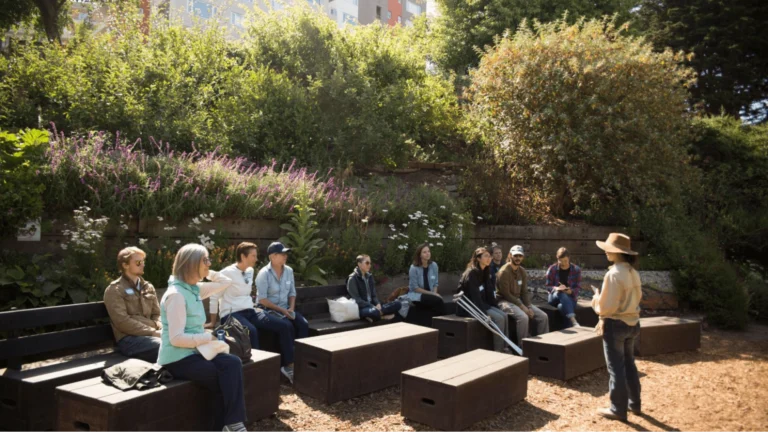
Cape Town is not only one of the world’s most scenic destinations but also a city committed to environmental responsibility and sustainable development. With its history of water scarcity, its biodiversity hotspots, and its drive to be a green city, event organizers in Cape Town are increasingly adopting eco-friendly event management practices. Whether it’s a global conference at the CTICC or a music festival on the beach, sustainability has become a core consideration in planning and execution.
Why Sustainability Matters in Event Management
-
Environmental Protection – Reduces waste, carbon emissions, and pollution.
-
Reputation & Branding – Eco-friendly practices enhance credibility with sponsors and attendees.
-
Community Responsibility – Minimizes disruption to local residents and natural spaces.
-
Cost Efficiency – Green strategies like energy-saving and waste reduction can cut expenses.
-
Global Standards – Aligns Cape Town events with international expectations for sustainable tourism.
Key Sustainable Practices in Cape Town Events
1. Waste Reduction & Recycling
-
“Zero Waste” initiatives at major events (e.g., Rocking the Daisies festival) encourage recycling and composting.
-
Separation bins for plastics, glass, paper, and organic waste at venues.
-
Partnerships with local recycling companies like WastePlan and PETCO.
2. Water-Smart Practices
-
Cape Town’s Day Zero water crisis (2018) highlighted the need for responsible water use.
-
Events now prioritize waterless sanitation systems, refillable water stations, and low-flow catering solutions.
-
Delegates encouraged to use refillable bottles instead of single-use plastics.
3. Energy Efficiency
-
Events at the Cape Town International Convention Centre (CTICC) use solar panels and energy-saving systems.
-
Outdoor festivals invest in LED lighting and efficient sound equipment.
-
Backup generators powered by biofuels instead of diesel in some cases.
4. Eco-Friendly Venues
-
The CTICC is internationally certified as a green venue, with water-saving, recycling, and renewable energy programs.
-
Hotels and lodges across Cape Town partner with events by offering sustainable accommodation (Green Leaf/Eco-Certified).
5. Sustainable Transport Solutions
-
Shuttle services, cycling lanes, and partnerships with MyCiTi buses to reduce carbon footprints.
-
Carpooling encouraged for festivals and large gatherings.
-
Hybrid and electric shuttle buses for corporate events.
6. Sustainable Food & Beverage
-
Focus on locally sourced, seasonal produce from Cape Town’s farms and markets.
-
Plant-based and low-meat catering options to reduce environmental impact.
-
Reusable or compostable food packaging instead of single-use plastics.
7. Community Engagement
-
Partnerships with local NGOs for awareness campaigns.
-
Leftover food donations to community kitchens instead of waste.
-
Hiring local staff and vendors to reduce transport emissions and support the economy.
Regulatory & Support Structures in Cape Town
-
City of Cape Town’s Green Building Policy – Promotes eco-friendly infrastructure for venues.
-
Western Cape Government: Green Economy Strategy – Supports renewable energy, water efficiency, and eco-tourism.
-
Sustainable Tourism Partnership Programme (STPP) – Helps small event suppliers adopt green practices.
-
Cape Town Green Map – Highlights eco-friendly venues, services, and resources.
Case Studies of Green Events in Cape Town
-
Rocking the Daisies Festival – Known as Africa’s greenest music festival, with large-scale recycling, renewable energy, and eco-villages.
-
Cape Town Cycle Tour – Reduces plastic use, promotes eco-friendly transport, and encourages participants to “leave no trace.”
-
Cape Town International Jazz Festival – Incorporates sustainability through waste management, local sourcing, and green partnerships.
Challenges in Implementing Green Practices
-
Costs – Eco-friendly solutions like biofuel generators and compostable packaging can be more expensive.
-
Vendor Compliance – Ensuring all suppliers meet sustainability standards can be difficult.
-
Education – Guests and staff sometimes need training to properly follow recycling and water-saving systems.
-
Infrastructure Gaps – Not all venues outside the city center have the facilities for large-scale green practices.
Future of Sustainable Events in Cape Town
-
Carbon-Neutral Events – More organizers are offsetting emissions by funding local reforestation or renewable projects.
-
Digital-First Events – Hybrid events reduce travel emissions while still attracting global audiences.
-
Smart Technology – Apps and digital tickets to minimize paper use.
-
Eco-Certifications – More events aiming for international standards like ISO 20121 (Event Sustainability Management Systems).
Why Choose This Course in Cape Town?
Sustainability and green event practices are no longer optional in Cape Town—they are essential. By embracing eco-friendly waste management, water-smart strategies, energy efficiency, and community engagement, event organizers not only protect the city’s natural beauty but also align with global sustainability goals. Cape Town is proving that world-class events can also be responsible, resilient, and environmentally conscious, making it a leading destination for sustainable event management in Africa.