

Storytelling Techniques to Persuade and Inspire
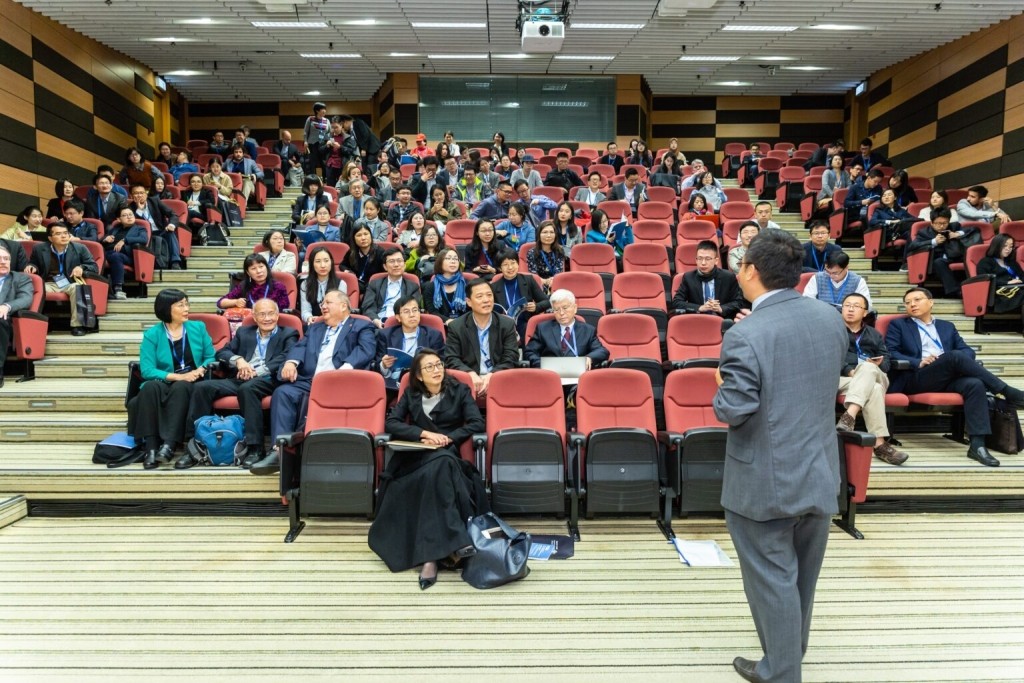
In Cape Town, storytelling is more than an art—it’s a cultural thread that connects diverse communities and industries. From formal pitches in Century City boardrooms, to lectures at UCT, to NGO-driven outreach in Khayelitsha, stories are a powerful way to persuade, inspire, and build trust. In a city where audiences are often multicultural and multilingual, effective storytelling makes complex ideas relatable and memorable.
Why Storytelling Works in Cape Town
-
Cultural Richness: Cape Town has a strong oral tradition, from isiXhosa folktales to Afrikaans family histories, making stories a natural way to connect.
-
Multilingual Audiences: Stories often transcend language barriers through emotion, visuals, and relatable experiences.
-
Business and Academia: Investors, clients, and students remember a well-told story more than a string of facts.
-
Community Engagement: Stories help bridge the gap between technical information and lived experience.
Core Storytelling Techniques
-
Start with a Relatable Hook
-
Open with a short, relevant story that immediately captures attention.
-
Example: A tourism entrepreneur might begin with a personal anecdote of welcoming their first international guest to Cape Town.
-
-
Use Local Context
-
Ground your story in Cape Town’s reality—landmarks, challenges, and successes resonate strongly.
-
Example: Referring to the 2018 Cape Town water crisis can illustrate resilience and innovation.
-
-
Create an Emotional Connection
-
Use empathy to inspire. Whether it’s joy, pride, or urgency, emotion drives action.
-
Example: NGOs often share community success stories to encourage support and investment.
-
-
Structure with a Clear Arc
-
Beginning: Set the scene.
-
Middle: Introduce the challenge.
-
End: Show resolution and link back to your message.
-
-
Make Data Human
-
Combine statistics with stories of individuals or communities.
-
Example: Instead of only saying “Cape Town attracts over 2 million visitors yearly,” tell the story of one small guesthouse thriving because of tourism.
-
-
Keep It Concise
-
Time is valued in Cape Town’s business and academic environments. Stories should be impactful without being overly long.
-
-
End with Inspiration or Call to Action
-
Tie the story back to your key message—whether persuading investors, motivating students, or inspiring community members.
-
Local Applications
-
Business Pitches: Entrepreneurs use personal journeys to persuade investors and clients.
-
Academic Presentations: Researchers humanize their data by telling stories of real-world impact.
-
Community Outreach: NGOs and government programs inspire participation through relatable success stories.
-
Events & Conferences: International delegates connect better when presenters weave Cape Town–based stories into their talks.
Tips for Cape Town Storytelling
-
Use local references (Table Mountain, Robben Island, wine estates, township entrepreneurship).
-
Adapt tone to the audience: professional in corporate settings, conversational in community gatherings.
-
Avoid exaggeration—authenticity is highly valued in Cape Town audiences.
-
Practice delivery so the story flows naturally, not memorized word-for-word.
Why Choose This Course in Cape Town?
In Cape Town, storytelling is one of the most effective tools for persuasion and inspiration. By grounding messages in local context, using emotion, and keeping stories authentic, presenters can engage diverse audiences, bridge cultural divides, and ensure their ideas are not just heard—but remembered and acted upon.